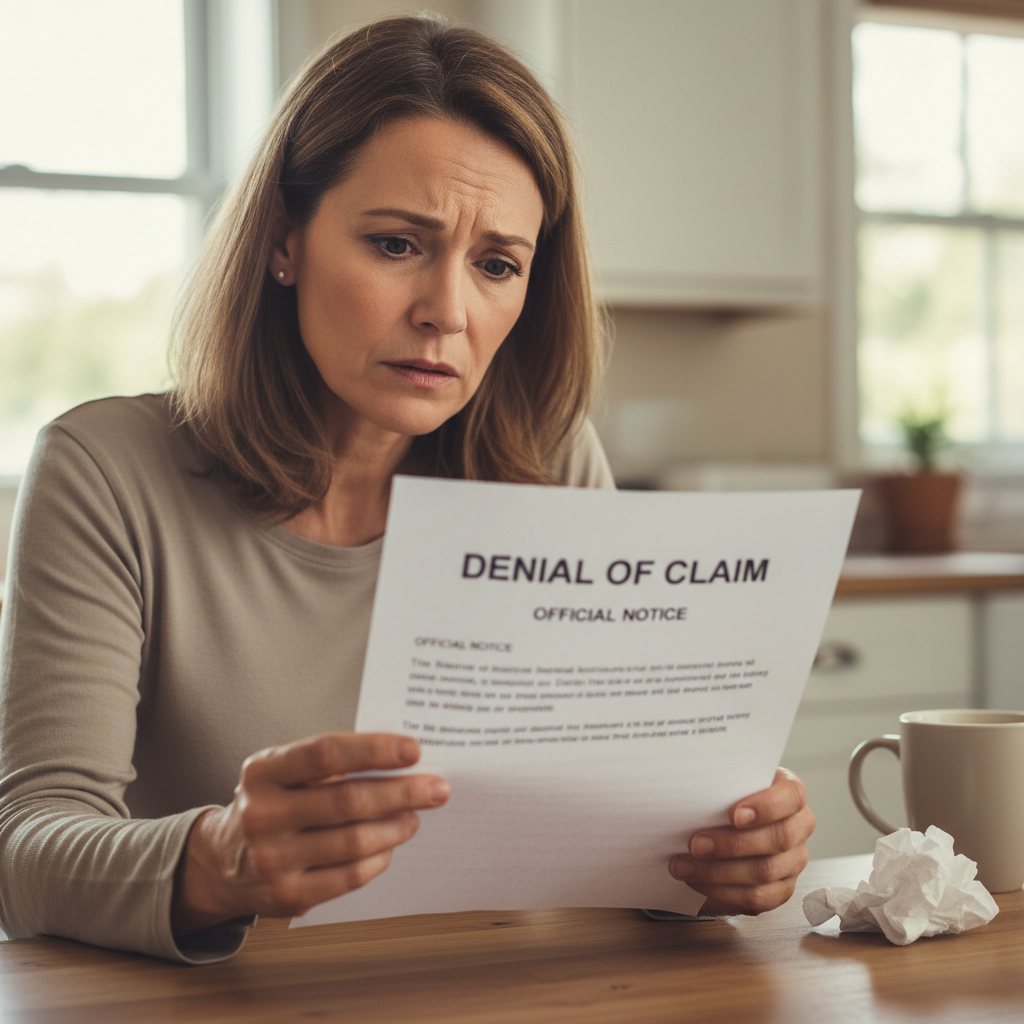
Policyholders facing an insurance claim denied Utah can seek recovery by carefully reviewing the denial letter and gathering relevant evidence to address the company's stated reasons. Filing a formal internal appeal is the next step; however, if that fails, victims may need to file a complaint with the state's insurance department or hire an attorney to protect their rights.
Opening your mailbox to find an insurance claim denial after a significant property loss in Utah feels like a second disaster. You have fulfilled your obligations as a policyholder for years, yet your insurer has chosen to protect their profit margins rather than your home or business. In our experience at Public Adjusters Utah, we know that a denial letter is rarely the final word on the matter. It is often a starting point for a strategic appeal. This guide provides a comprehensive roadmap for navigating the complexities of the Utah claims process. You will learn how to interpret rejection letters, identify the warning signs of an underpaid claim, and track critical state deadlines. We also detail how professional advocacy can level the playing field, ensuring you recover every dollar required to restore your property.
The Reality of a Denied Insurance Claim in Utah
Receiving a formal letter stating your insurance claim is denied in Utah feels like a second disaster. For a Salt Lake City homeowner already dealing with the aftermath of a collapsed roof from a heavy snow load or the sudden chaos of internal water damage, this rejection is often overwhelming. However, it is vital to understand that a denial letter is not a final legal verdict. It is a formal position taken by a for-profit corporation.
In the Salt Lake Valley, we frequently see claims involving significant roof damage from spring hail or ice damming during the winter months. Because insurance carriers operate with the primary goal of minimizing payouts and protecting their bottom line, a denial is frequently their opening move in a complex negotiation. They rely on the hope that the policyholder will accept the decision without question and pay for the repairs out of pocket.
Challenging this position requires a shift in perspective. You are not simply asking for a favor; you are enforcing a contract. If you have received a rejection, your first step should be to consult with licensed public adjusters who understand the specific language of Utah policies. At Public Adjusters Utah, we provide free claim reviews to help homeowners determine if their insurer has overlooked critical evidence or misapplied policy exclusions. When you realize that an insurance claim denied Utah is often just the beginning of the adjustment process, you can move from a state of frustration into a focused effort to recover the funds you are rightfully owed.
Understanding Your Denial Letter: Common Reasons for Rejection

Your denial letter is a technical document that cites specific sections of your policy to justify a non-payment. One of the most common reasons for an insurance claim denied Utah involves the "exclusion" clause. For instance, many homeowners are surprised to learn that while a burst pipe in a Salt Lake City basement is generally covered, damage from rising groundwater or external surface water is excluded unless a separate flood policy is in place. The insurer carefully categorizes the event to fit into these excluded categories, even when the source of water is ambiguous.
Another prevalent hurdle is the "lack of maintenance" excuse, which carriers frequently apply to roof damage. By claiming that a roof was already near the end of its useful life, the insurer attempts to bypass their responsibility for repairs caused by a specific wind or hail event. Similarly, they may point to "pre-existing damage," arguing that the shingle bruising or siding cracks were present before the storm occurred. This strategy relies on the assumption that you do not have dated, photographic evidence of your home's condition prior to the loss.
The Utah Insurance Department regulates how these justifications are presented, requiring carriers to provide a clear, written explanation that references exact policy provisions. When you examine your letter, look for specific citations such as "Section I – Exclusions" or "Condition 4." These citations are not final; they are interpretations. If the language seems subjective, consulting licensed public adjusters is essential. A professional review can identify if the carrier is mischaracterizing a sudden loss as gradual deterioration. Through free claim reviews, homeowners can gain a technical rebuttal to these common rejection reasons, ensuring their rights under the contract are fully protected.
Underpaid vs Denied: Why a Partial Payment is Often a Warning Sign

While a complete rejection is discouraging, a partial payment can be equally damaging to your recovery. This scenario, often referred to as lowballing, occurs when an insurer admits a loss is covered but provides an estimate that covers only 30 to 50 percent of the actual repair costs. Homeowners in the Salt Lake Valley frequently face this issue with roof damage, where the insurer pays for a small patch job while local building codes or the extent of the impact require a full replacement.
The gap between an adjuster's estimate and a contractor's bid often stems from rising Salt Lake City construction costs. Insurance companies typically use standardized estimating software that may not reflect the current local rates for specialized labor or high-demand materials. If your estimate feels inadequate, it likely is. A standard insurance estimate rarely accounts for the premium prices currently commanded by local restoration professionals.
Receiving an initial check is not necessarily the end of the process. In most cases, accepting this payment does not waive your right to pursue a supplemental claim for the remaining balance. However, you must read the fine print carefully. Avoid signing any documents labeled as a full and final release or a settlement in full without first seeking free claim reviews from licensed public adjusters. These experts help bridge the financial gap by providing a detailed, line-item rebuttal to the insurer's low estimate. If you face an insurance claim denied Utah or simply a payout that falls short, the goal remains the same: ensuring the payment matches the true cost of restoration in today’s market.
Immediate Steps to Take After an Insurance Claim Denial in Utah
Moving past the shock of an initial rejection requires a methodical, evidence-based approach. Under Utah law, policyholders are entitled to a fair and prompt investigation, meaning the carrier cannot simply issue a denial and go silent. To challenge an insurance claim denied Utah, you must build a counter-file that addresses the carrier’s technical arguments with physical evidence and expert data.
Follow this actionable checklist to protect your interests immediately:
Request the Full Claim File: Ask your adjuster for the complete file, including all field notes, internal reports, and photographs taken during the inspection. You are entitled to see the information used to justify their decision.
Preserve All Evidence: Do not dispose of damaged materials, such as water-soaked flooring or debris from roof damage, until the dispute is resolved. If items must be removed for safety, take high-resolution photos and video of them in place first.
Audit Your 'Duties After Loss': Open your policy and locate the section titled "Duties After Loss." Carriers often use minor procedural oversights to justify a denial. Ensure you have complied with every requirement, from reporting timelines to mitigating further damage.
Maintain a Communication Log: Document every phone call, email, and site visit. Record the date, the name of the representative, and a summary of what was discussed. In Utah, these records can be vital if the carrier is later accused of bad faith or stalling.
Obtain Independent Estimates: Get detailed, line-item bids from reputable local contractors. These estimates should reflect the actual cost of labor and materials in Salt Lake City, providing a baseline to compare against the adjuster's lower figures.
Once you have gathered this documentation, seek free claim reviews from licensed public adjusters. They can use your compiled evidence to identify where the insurer’s investigation fell short of Utah’s regulatory standards and build a case for an appeal.
Utah Insurance Deadlines and Statutes of Limitations

Navigating an insurance claim denied Utah requires a precise understanding of the clock. In Utah, time is rarely on the side of the homeowner. There is a critical distinction between the Proof of Loss deadline and the statute of limitations for filing a lawsuit. The Proof of Loss is a sworn statement you must often provide within 60 days of the insurer's request. Failing to meet this administrative deadline gives the carrier a procedural excuse to walk away from the claim entirely, even if the damage is clearly covered.
Beyond administrative paperwork, you must monitor the deadline to file a formal legal challenge. Under Utah Code § 31A-21-313, Utah law sets a 3-year minimum window to file a lawsuit on a first-party property insurance policy, measured from the date of loss. Importantly, your policy cannot shorten that window below 3 years, regardless of what the fine print says. Still, waiting until the deadline is near is never wise. Evidence fades, memories blur, and documentation becomes harder to gather as time passes, so it is always best to act promptly on a denied or underpaid claim for roof damage or any other covered loss.
Carriers often use long periods of silence or repetitive requests for more information as a tactic to let these clocks run out. To protect your investment, you should seek free claim reviews from licensed public adjusters as soon as a disagreement arises. An expert can audit your policy's specific limitations and ensure you do not lose your seat at the negotiating table due to a missed calendar date.
How a Public Adjuster Can Overturn a Denied Claim
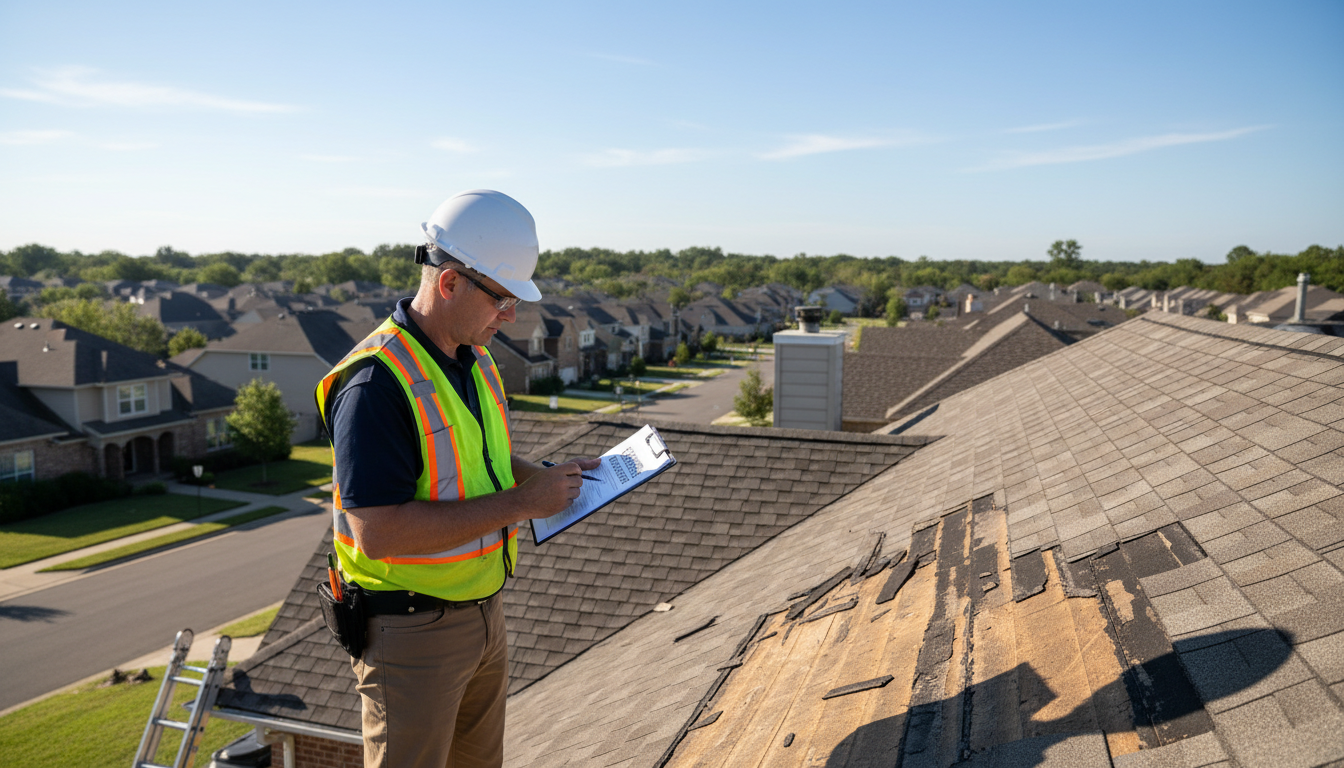
When legal deadlines loom and the insurance company refuses to budge, the expertise of a licensed professional becomes your most effective tool. Public Adjusters Utah acts as a specialized matching service, connecting homeowners across the Salt Lake Valley with licensed public adjusters who focus exclusively on the policyholder's interests. Unlike the staff adjuster sent by your insurance company, a public adjuster is legally obligated to advocate for you, ensuring every technical detail of the damage is documented and properly valued.
The process of overturning an insurance claim denied Utah starts with a forensic reinspection. Public adjusters utilize advanced tools that standard carrier inspections often skip, such as high-resolution thermal imaging to detect moisture trapped behind drywall or precision moisture meters to verify structural dampness in subflooring. For roof damage, they may perform brittle tests or examine the property for subtle wind uplift that an untrained eye might miss. This empirical data forms the basis of an aggressive negotiation strategy that challenges the carrier's initial findings with undeniable physical proof.
Because this process is built on a contingency fee model, there are no upfront costs for the homeowner. The adjuster only receives a pre-negotiated percentage of the final settlement; if you do not get paid, the adjuster does not get paid. This alignment of interests ensures that your advocate is motivated to secure the maximum amount allowed under your policy. By utilizing free claim reviews, you can leverage our network to find a local expert who understands the nuances of Utah's property laws and the specific labor rates required to restore your home in today's market.